
Free and low-cost propane help for Florida homeowners
By Mei Larsen · Updated 2026-07-30
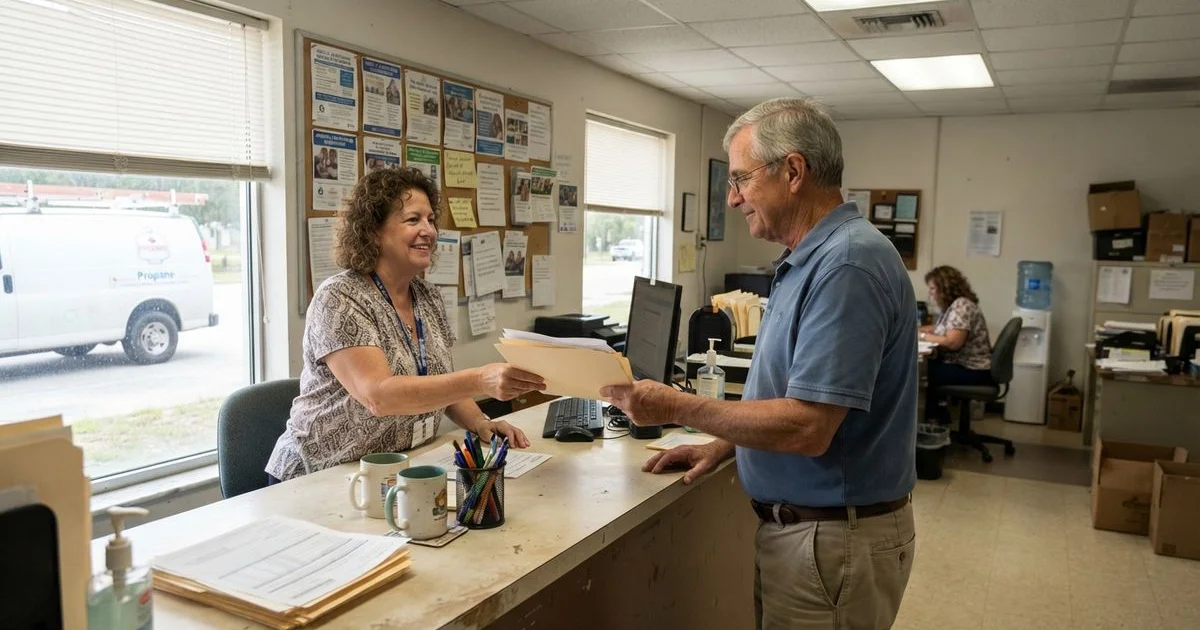
Propane costs can be a real strain for households on a fixed or limited income, especially with unpredictable pricing and the occasional larger bill after heavy usage. A few real avenues exist for help, from federal programs to what your own supplier may offer directly.
Federal and state assistance
The Low Income Home Energy Assistance Program, LIHEAP, is the main federal program aimed at helping eligible households cover home energy costs, including propane in many cases. It is administered at the state and local level, so eligibility requirements, application windows, and the exact benefit amount vary by where you live. Applying typically involves contacting your local administering agency, often a county or regional community action organization, directly rather than a single statewide portal.
What to ask your propane supplier directly
Before looking outside your existing supplier relationship, ask what they offer in-house:
- Budget billing, which spreads your estimated annual propane cost into equal monthly payments rather than larger bills tied to each delivery.
- Payment plans or short-term arrangements for customers facing a temporary hardship, which some suppliers offer even without a formal public program involved.
- Senior or fixed-income discounts, which are not universal but worth asking about directly, since they are not always advertised.
- Referrals to local assistance programs. Suppliers who work with a lot of households on tight budgets often know which local resources are currently active and how to apply.
Where to look for help
| Resource type | What it typically covers | Where to start |
|---|---|---|
| LIHEAP (federal) | Home energy costs including propane, per state administration | Local community action agency or county social services |
| Supplier budget billing | Smooths monthly cost, not a discount | Ask your current or a prospective supplier directly |
| Supplier hardship plans | Short-term payment flexibility | Ask your supplier’s customer service directly |
| County or nonprofit relief funds | Varies, sometimes seasonal or disaster-related | County social services office or local nonprofits |
| Post-storm disaster assistance | Emergency-specific, not always ongoing | County emergency management office |
After a hurricane or major storm
Assistance sometimes becomes available specifically after a major weather event, separate from standard year-round programs. If a storm has caused a larger-than-usual propane expense, whether from extended generator use or storm-related repairs, check with your county’s emergency management office and local relief organizations for anything currently active, since these programs tend to be time-limited and specific to the event.
Weatherization assistance can lower usage too
Beyond direct bill help, weatherization assistance programs, sometimes paired with LIHEAP funding, help eligible households pay for insulation, sealing, and other home improvements that reduce overall energy use. Lower usage means smaller propane bills going forward, not just a one-time credit, which can matter more over the long run than a single payment toward an existing bill. Your local community action agency can typically tell you whether a weatherization program is active in your area and how it connects to energy assistance funding.
Renters and manufactured home residents
Assistance eligibility and application steps can differ for renters and manufactured home residents compared to traditional homeowners, particularly around who is considered the “household” applying and how propane costs are documented if the account is in a landlord’s or park operator’s name. If your propane bill is not in your own name, ask the administering agency directly how to document your share of the cost, since this is a common point of confusion during the application process.
A practical approach
Start with your current supplier, since a quick call to ask about budget billing or hardship options costs nothing and sometimes solves the immediate problem. In parallel, contact your local community action agency about LIHEAP eligibility, since application windows can be limited and it is worth applying early in the season rather than waiting until a bill becomes urgent. If you are choosing a new supplier and cost flexibility matters, ask directly during the shopping process whether they offer budget billing or hardship plans, since not every company does.
Comparing Florida propane suppliers on more than just headline pricing is worth the extra step if payment flexibility matters to your household. Our scoring method weighs pricing transparency as part of how we rank providers, so the suppliers who rank well tend to be upfront about what payment options they actually offer.
Questions people ask
- Is there federal help for propane heating costs?
- The Low Income Home Energy Assistance Program, known as LIHEAP, is a federal program administered at the state and local level that helps eligible households cover home energy costs, which can include propane in some cases. Eligibility and exactly what is covered varies, so check with your local administering agency for current details.
- Do propane suppliers offer their own payment plans?
- Many do, especially budget billing that spreads estimated annual costs into equal monthly payments. Some suppliers also offer short-term payment arrangements for customers facing a temporary hardship, though terms vary a lot, so it's worth asking directly rather than assuming none is available.
- Are there local or nonprofit resources for propane assistance in Florida?
- Local community action agencies, county social services offices, and some nonprofit organizations administer energy assistance funds beyond LIHEAP, particularly during periods of high demand like after a major storm. Contacting your county's social services office is a reasonable starting point to find what is currently available in your area.
- Can I get help with a propane bill after a hurricane?
- Disaster-related assistance sometimes becomes available after a major storm, through state emergency management programs or nonprofit relief efforts, in addition to standard assistance programs. Check with your county emergency management office or a local nonprofit relief organization for what is currently active after a specific event.