
Renting a home with a propane tank: landlord and tenant responsibilities in Florida
By Mei Larsen · Updated 2026-07-28
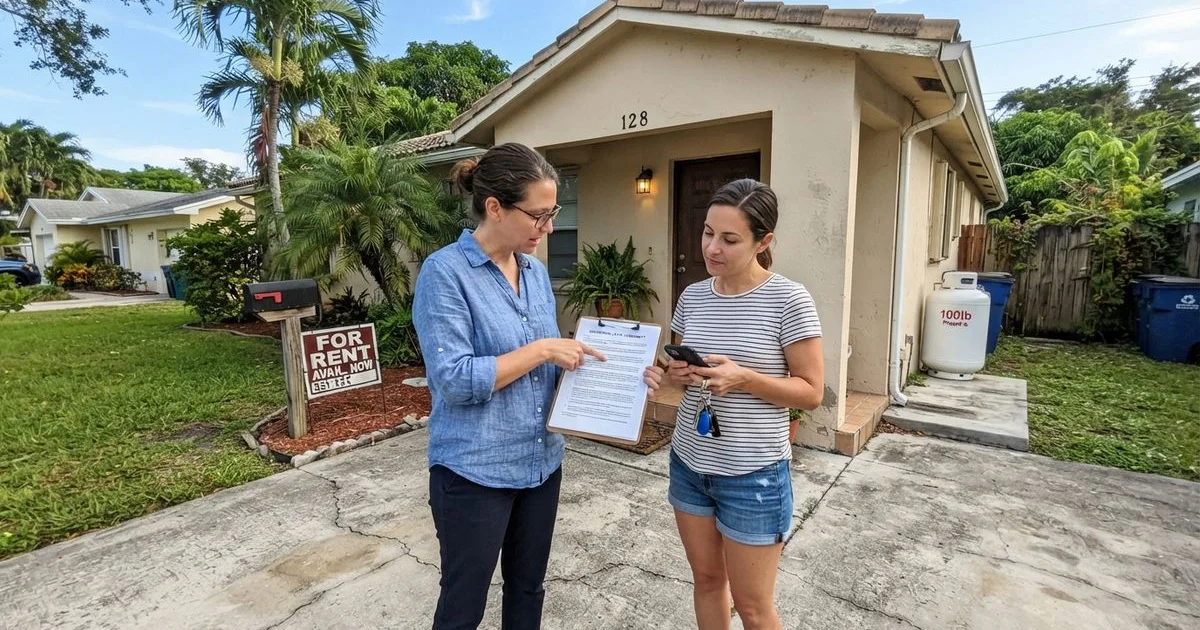
Renting a home with a propane system adds a few questions that do not come up with all-electric properties. Here is a general overview of how responsibility typically splits between landlords and tenants in Florida. This is general information, not legal advice; specific disputes should be reviewed against your actual lease and, if needed, with an attorney familiar with Florida landlord-tenant law.
What landlords are typically responsible for
- Maintaining a safe system. Florida law generally requires landlords to maintain rental properties in a safe, habitable condition, which extends to major systems like propane if the property relies on it for heat, hot water, or cooking.
- Disclosing known issues. If a landlord is aware of a problem with the propane system, undisclosed issues can create liability if something goes wrong later.
- Tank ownership and lease terms. If the landlord owns or leases the tank as part of the property, they are typically responsible for that underlying arrangement with the propane supplier, separate from the tenant’s day-to-day account.
What tenants are typically responsible for
- Setting up delivery service, if the lease specifies the tenant manages their own propane account rather than it being included in rent.
- Reporting problems promptly. A tenant who notices a leak, a strange smell, or an equipment issue and does not report it can bear more responsibility if the issue worsens.
- Reasonable use and care. Damaging equipment through misuse or unauthorized modification typically shifts responsibility toward the tenant for resulting repairs.
What a good lease should spell out
| Item | Why it matters |
|---|---|
| Who pays for propane (included in rent vs. tenant account) | Affects monthly budgeting and who calls the supplier |
| Who owns or leases the tank | Determines who has authority over supplier changes |
| Who is responsible for system maintenance and repairs | Clarifies expectations before a problem comes up |
| What happens if the tenant wants to switch suppliers | Prevents disputes mid-lease over service changes |
| Emergency contact process for leaks or outages | Speeds up response time if something goes wrong |
If your lease is silent on these points, ask before signing rather than assuming. A quick clarifying conversation with the landlord or property manager up front avoids a confusing dispute later.
Before you move in
Ask to see or confirm the propane account is active and in good standing, particularly if you are taking over a property after a previous tenant. Check whether the tank appears to be in reasonable condition (no obvious rust, damage, or leaning), and ask when it was last serviced or inspected if that information is available. None of this replaces a professional inspection, but it gives you a baseline understanding before you are responsible for the space.
Manufactured and mobile home rentals
Rental situations get more layered in manufactured home communities, where the tank might belong to the park operator, a specific supplier, or the unit’s previous owner rather than the landlord in the traditional sense. If you are renting a lot or unit in this kind of community, ask specifically who owns the tank and who you contact for both routine delivery and emergencies, since it is not always the same party you pay rent to.
When a dispute comes up
Most propane-related friction between landlords and tenants comes down to unclear expectations rather than bad faith. If a disagreement does come up, a written record helps: keep copies of your lease, any communication about the propane system, and receipts or delivery records if you manage your own account. If the disagreement is about a safety issue rather than a billing question, prioritize resolving the safety concern first and sort out responsibility for the cost afterward.
Florida landlord-tenant law gives tenants certain rights around habitability and notice, so if a landlord is unresponsive to a genuine safety issue with the propane system, that is worth raising formally in writing, and in serious cases, worth discussing with a local tenant’s rights resource or attorney.
Getting set up
If your lease has you managing your own propane account, compare suppliers in your area rather than defaulting to whichever one the previous tenant used. Our directory covers licensed Florida suppliers, and our scoring method explains how we weigh reliability and pricing transparency when ranking them.
Questions people ask
- Is the landlord or tenant responsible for propane costs in a rental?
- This is set by the lease, not a fixed rule. Some leases include propane as part of rent or a utility package, while others require tenants to set up their own delivery account and pay directly. Confirm this before signing, since it changes your monthly budgeting either way.
- Who is responsible for propane tank maintenance in a rental property?
- Landlords are generally responsible for maintaining a safe rental property, which typically extends to the propane system's structural condition. Day-to-day account management, like scheduling deliveries, is more often the tenant's responsibility if the lease has them managing their own supplier account.
- Can a tenant switch propane suppliers in a rental home?
- It depends on tank ownership. If the tenant sets up their own account with an owned or landlord-provided tank, switching suppliers is often possible. If the tank is leased through a specific supplier tied to the property, the tenant may be limited to that supplier for the length of the lease.
- What should a tenant do if they smell gas in a rental property?
- Treat it the same as in any home: leave the area immediately and contact the propane supplier's emergency line or 911. Notify the landlord as soon as it is safe to do so, but do not delay leaving or calling for help while waiting to reach them first.