
What to expect when the propane truck delivers to your home
By Mei Larsen · Updated 2026-07-10
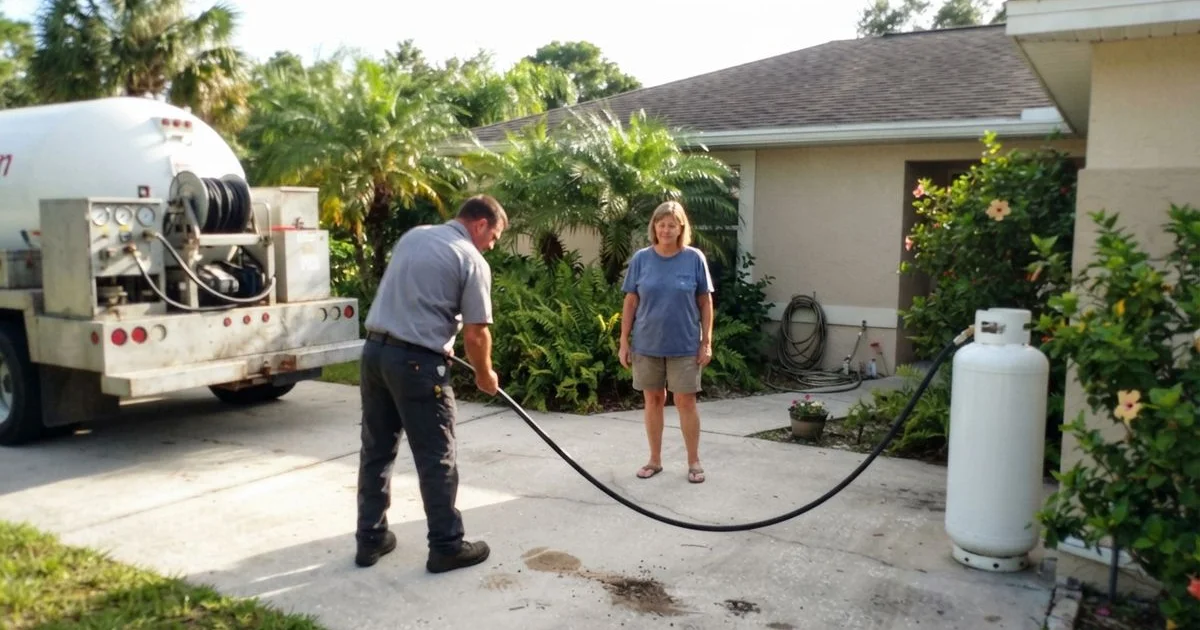
Most people only think about propane delivery when a tank runs low, so the actual appointment can feel like a mystery the first time around. Whether you found your supplier through a directory search or a neighbor’s recommendation, the visit itself follows a pretty consistent pattern. Here is what a normal residential delivery looks like from start to finish, and what separates a routine visit from one worth asking questions about. If you just moved and are booking your first delivery, our guide on setting up propane service as a new Florida resident covers what happens before this appointment even gets scheduled.
Before the truck arrives
If you are on automatic or scheduled delivery, your supplier estimates when your tank needs a refill based on your past usage, local weather, or a remote tank monitor if you have one. Will-call customers get a delivery window after calling in an order, usually within a day or two unless it is flagged as urgent.
Either way, a little prep goes a long way. Make sure the path to your tank is clear of parked cars, locked gates, overgrown landscaping, or anything else that could block a driver hauling a heavy hose. If you have dogs, plan to keep them inside or secured, since drivers need to walk the property to reach the tank.
What happens during the visit
A typical residential propane delivery follows a fairly consistent sequence:
- The driver locates and inspects the tank, checking the gauge, the connections, and looking for any visible damage, rust, or leaks before doing anything else.
- They connect the delivery hose and begin filling, staying with the truck and tank the entire time since propane delivery is not a leave-and-return job.
- The fill stops automatically once the tank hits the 80 percent capacity limit, which is a safety standard, not a sign of a stingy fill.
- The driver records the amount delivered, often leaving a receipt or an invoice at the door, and updates your account if you are on an automatic delivery plan.
- They do a final check of the connections before leaving, since a loose or improperly seated valve is the most common issue drivers catch.
What a good delivery looks like versus a red flag
| Sign | What it usually means |
|---|---|
| Driver checks the tank and gauge before filling | Normal, expected practice |
| Fill stops around 80% capacity | Standard safety limit, not a short fill |
| Driver flags rust, damage, or a smell of gas | Take it seriously; ask what they recommend next |
| No receipt or record of gallons delivered | Ask for one before the driver leaves |
| Driver rushes without checking connections | Worth a follow-up call to the supplier |
Most deliveries are routine and forgettable, which is the goal. The moments worth paying attention to are the ones where a driver flags something, since propane suppliers train drivers to catch problems before they become a service call or worse.
Questions worth asking your supplier
If this is your first delivery with a new supplier, a few questions upfront save confusion later: How will you notify me before a delivery? What is your policy if the driver cannot access the tank? Do you leave a written record of gallons delivered and the price charged? What is your process if a driver notices a problem with my tank or line? A supplier who answers these clearly, rather than brushing past them, is usually the same one that shows up on time and documents the visit properly.
After the delivery
Once the truck pulls away, a quick look at your tank gauge confirms the fill matches what you expected based on your tank size. If anything about the visit felt off, a short call to the supplier while the details are fresh is more useful than waiting until the next bill arrives with questions.
It also helps to keep a rough log of delivery dates and gallons filled, even a simple note on your phone. Over a year or two, that record makes it easy to spot whether your usage is climbing (worth checking appliances or insulation) or whether a supplier’s fill amounts look inconsistent from one visit to the next.
When to switch suppliers
A single awkward visit is not usually a reason to switch. A pattern is. If a supplier repeatedly shows up outside the window they gave you, skips the pre-fill inspection, or leaves without any record of what was delivered, that is worth weighing against other options in your area. For homeowners comparing suppliers on more than just price, our scoring method factors in delivery reliability and how consistently a business shows up in reviews for handling the visit itself well, not just for having competitive rates.
Questions people ask
- Do I need to be home for a propane delivery?
- Usually not, as long as the driver has clear access to your tank and it is not blocked by a locked gate, a parked car, or a pet that cannot be secured. Some suppliers prefer someone home for a first delivery so they can confirm tank access and note anything unusual about your setup.
- How long does a typical residential delivery take?
- Most deliveries take 15 to 30 minutes from the truck parking to the driver leaving, depending on tank size and how easy the tank is to reach. A first-time delivery or a tank that needs a closer inspection can take longer.
- What if the driver can't get to my tank?
- They will typically leave a note or call to reschedule rather than force access. Clearing a path to your tank ahead of time, trimming back bushes, moving vehicles, unlocking gates, cuts down on missed deliveries and any rush fees tied to a second trip.
- Will the driver tell me if something looks wrong with my tank or line?
- A trained driver checks for obvious issues like corrosion, damage, or a smell of gas before filling, and should flag anything concerning rather than filling a tank that looks unsafe. If they raise a concern, take it seriously and follow up with the supplier before your next scheduled fill.